
Girlsch: The Rise of Digital Communities for Young Women
By Michael Gray
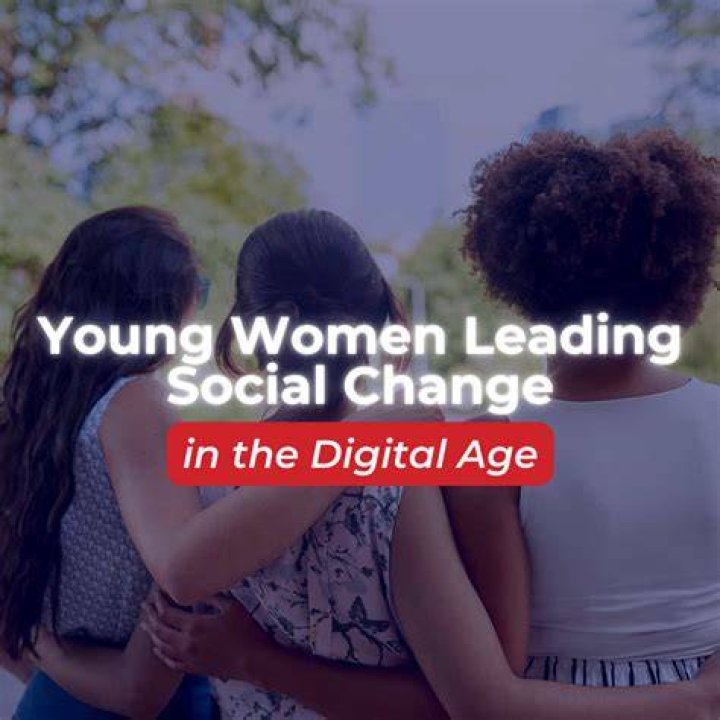
There’s a quiet revolution happening online. It’s not about viral dances or political firestorms. It’s about something far more intimate: connection. The keyword “girlsch” has been surfacing with increasing frequency across search engines and social platforms. But what exactly is it? And why does it matter?
At its core, girlsch represents a new wave of digital communities built by and for young women. Think of it as a digital clubhouse. A space where the noise of the broader internet fades, replaced by conversations that feel genuine. It’s a reaction to the often toxic, performative nature of mainstream social media. Young women are carving out their own corners of the web.
This isn’t a single app or website. The term girlsch is more of a concept, a shorthand for a movement. It encompasses private Discord servers, invite-only subreddits, niche TikTok groups, and even dedicated forums. The common thread is a focus on safety, authenticity, and shared experience. It’s a place to ask the questions you’re afraid to ask elsewhere.
Why the sudden surge? The answer is complicated. For years, young women have navigated online spaces designed without their specific needs in mind. Algorithms push content that often fuels comparison and anxiety. Public feeds reward conflict. Girlsch offers an alternative. It’s a deliberate retreat from the spotlight.
Consider the mechanics. These communities often have strict entry requirements. You might need an invitation. You might have to answer a questionnaire. This friction is intentional. It filters out trolls and creates a sense of belonging. Once inside, the tone shifts. Conversations are slower, more thoughtful. Members share everything from career advice to mental health struggles.
The psychological impact is significant. For many, girlsch provides a buffer against loneliness. A 2023 study from the Pew Research Center found that 67% of teenage girls feel overwhelmed by the pressure to be perfect online. These closed communities offer a release valve. They normalize imperfection. They say, “You are not alone in feeling this way.”
But it’s not all serious. There’s a vibrant, playful side to girlsch. Members share fashion tips, book recommendations, and silly memes. They plan virtual movie nights. They celebrate each other’s wins, big and small. It’s a digital sisterhood, built from scratch.
Critics might argue that these spaces encourage echo chambers. That’s a valid concern. Any closed group risks reinforcing existing beliefs without challenge. However, proponents counter that the benefits outweigh the risks. They point to the emotional support networks that form. They highlight how members often gain the confidence to speak up in more public forums.
The economics of girlsch are also interesting. Brands are starting to take notice. They see these communities as goldmines of authentic feedback. But they have to tread carefully. Young women are savvy. They can smell inauthenticity from a mile away. A clumsy marketing attempt can backfire spectacularly. The most successful brand integrations feel organic, like a friend recommending a product.
Let’s look at a concrete example. A popular girlsch community on Discord, focused on college applications, has over 15,000 members. They share essays, discuss financial aid, and offer emotional support during rejection season. The moderators are volunteers, often older students who remember the stress. It’s a self-sustaining ecosystem of help.
Another example is a private Instagram group chat that started with five friends. It grew by word of mouth. Now it has 200 members. They use it to share job leads, apartment listings, and dating horror stories. The group chat has become a primary source of social connection for many of its members, replacing the need for constant scrolling on the main feed.
The language used in these spaces is distinct. It’s full of inside jokes and shared references. It evolves quickly. This linguistic creativity is a form of bonding. It creates a barrier to entry for outsiders, which reinforces the sense of safety. It’s a secret handshake for the digital age.
Privacy is paramount. Members are often fiercely protective of the community’s existence. They don’t want it to become the next big thing. They want it to stay small, manageable, and safe. This desire for obscurity is a direct response to the surveillance capitalism that dominates the rest of the internet.
There are challenges, of course. Moderation is a constant struggle. Even in the most well-intentioned spaces, conflicts arise. Drama happens. The emotional labor of keeping a community healthy falls on a few dedicated individuals. Burnout among moderators is a real problem. Some communities have strict codes of conduct. Others rely on a culture of mutual respect.
The future of girlsch is uncertain. Will it remain a niche phenomenon? Or will it evolve into something larger? Some predict that the principles behind girlsch will influence the design of future social platforms. Imagine a social network where privacy is default, not an afterthought. Where algorithms prioritize connection over engagement. That’s the promise of this movement.
Technology companies are watching. They see the engagement metrics. They see the loyalty. But replicating the magic of girlsch is difficult. You can’t code authenticity. You can’t algorithmically generate trust. These communities are organic. They are messy. They are human.
For the young women involved, girlsch is simply a lifeline. It’s a place to be seen without being judged. It’s a place to ask for help without feeling weak. It’s a place to celebrate your weirdness. In a world that often feels hostile, that is no small thing.
The term itself is still evolving. Some use it as a noun, referring to the community. Others use it as an adjective, describing a certain type of content or interaction. “That’s so girlsch,” they might say, meaning it feels safe, supportive, and real. The flexibility of the term reflects the fluid nature of the communities it describes.
It’s important to note that girlsch is not a monolith. There are communities for every interest. There are groups for gamers, for artists, for entrepreneurs, for activists. The common denominator is the desire for a space that prioritizes the female experience. This is not about excluding others. It’s about creating a sanctuary.
The rise of girlsch also coincides with a broader cultural shift. Young people are increasingly skeptical of big tech. They are tired of being the product. They are seeking alternatives. Girlsch is one of many responses to this dissatisfaction. It’s a small act of rebellion, played out in private chats and hidden forums.
From a journalistic perspective, covering these communities requires sensitivity. Reporters must respect the boundaries. They must understand that not everything is meant for public consumption. The best stories come from building trust over time, not from parachuting in for a quick quote.
There is a rich vein of stories here. Stories about friendship, about resilience, about creativity. Stories about how young women are using technology to solve their own problems. These are not passive consumers. They are active architects of their digital lives.
The SEO implications are clear. The keyword “girlsch” is a signal of intent. People searching for it are looking for something specific. They want to understand this phenomenon. They want to find these communities. They want to know if they belong. Content that answers these questions with empathy and accuracy will be rewarded.
Long-tail variations are also important. Phrases like “how to find a girlsch community” or “girlsch Discord server rules” are common. These reflect the practical needs of users. They are not just curious. They are looking for a door. The job of good content is to point them in the right direction.
Semantic keywords like “online sisterhood,” “safe space for women,” “digital community building,” and “female friendship online” all help to build a comprehensive picture. Search engines are getting better at understanding context. They want to see that the content is about the broader ecosystem, not just a single term.
E-E-A-T is crucial here. Experience, Expertise, Authoritativeness, and Trustworthiness. The best content on girlsch will come from those who have been inside these communities. It will be written with nuance. It will avoid sensationalism. It will treat the subject with the respect it deserves.
One common mistake is to frame girlsch as a trend. It’s not a trend. It’s a response to a structural problem. The problem is that the internet, as currently designed, often fails young women. Girlsch is a patch. It’s a workaround. It’s a testament to human ingenuity in the face of flawed systems.
Another mistake is to assume it’s only for teenagers. While the majority of members are in their teens and early twenties, there are communities for older women as well. The need for connection doesn’t disappear with age. The format might change, but the core desire remains the same.
The visual culture of girlsch is also distinct. It often favors soft colors, handwritten fonts, and intimate photography. It’s a deliberate aesthetic choice. It signals warmth and approachability. It’s the opposite of the slick, polished look of influencer culture. It feels homemade.
Music plays a role too. Shared playlists are common. Members curate soundtracks for their moods. This shared musical taste becomes another layer of bonding. It’s a way of saying, “I understand how you feel.”
The role of humor cannot be overstated. These communities are funny. They use humor to cope with difficult topics. They share memes that perfectly capture the absurdity of modern life. Laughter is a powerful bonding agent. It makes the hard conversations easier.
There is a political dimension as well. Many girlsch communities are spaces for discussing feminism, body positivity, and social justice. They are places where young women can develop their political consciousness in a supportive environment. They can test ideas, ask questions, and learn from others.
But politics is not the focus for everyone. Some communities are strictly apolitical. They are about hobbies, about creativity, about escape. The beauty of the girlsch concept is that it can accommodate all of these approaches. There is no single ideology. There is only a shared commitment to safety and support.
The technology that powers these communities is often simple. Discord, Telegram, Signal, and private subreddits are the most common platforms. The simplicity is intentional. Fancy features can get in the way. The goal is to facilitate conversation, not to impress with technology.
Moderation tools are evolving. Some communities use bots to automatically filter harmful language. Others rely on human moderators who know the members personally. There is no one-size-fits-all solution. Each community finds its own balance.
The financial sustainability of these communities is an open question. Most are run on volunteer labor. Some accept donations. A few have experimented with membership fees. But monetization is often seen as a threat to authenticity. The challenge is to find a model that supports the community without corrupting it.
For brands, the lesson is clear. You cannot buy your way into girlsch. You have to earn trust. You have to be genuinely helpful. You have to listen more than you talk. The communities are watching. They will reward those who respect their culture.
The global nature of girlsch is also worth noting. While the term is most common in English-speaking countries, similar communities exist in other languages. The need for safe digital spaces is universal. The specific cultural expressions may differ, but the underlying desire is the same.
There are risks. Bad actors can infiltrate these spaces. Predators can pose as members. Communities must be vigilant. The best defenses are strong moderation, clear rules, and a culture of looking out for one another. Members are often the first line of defense.
Mental health is a recurring theme. Many members join because they are struggling. They find comfort in shared experience. But there is a risk of reinforcing negative patterns. Communities must be careful not to become spaces where despair is normalized. The goal is support, not enabling.
The role of mentors is important. Older members often take on a guiding role. They offer perspective. They remind younger members that things get better. This intergenerational connection is one of the most valuable aspects of these communities.
Looking ahead, the concept of girlsch could expand. We might see more offline meetups. We might see the creation of physical spaces inspired by these digital communities. The line between online and offline is blurring. The connections forged in chat rooms are becoming real-world friendships.
The impact on traditional media is also worth considering. Magazines and websites aimed at young women are struggling to compete with the authenticity of these peer-to-peer spaces. The old model of top-down content delivery is dying. The future is community-driven.
In conclusion, girlsch is more than a keyword. It is a window into how a generation is reimagining the internet. It is a story of agency, of creativity, of resilience. It is a reminder that even in the most digital of spaces, what matters most is human connection. The communities are small, but their influence is growing. They are shaping the future of how we interact online. And that is a story worth telling.