
AC/DCrag: The Unlikely Rise of a Rock-Inspired Climbing Phenomenon
By Emma Miller
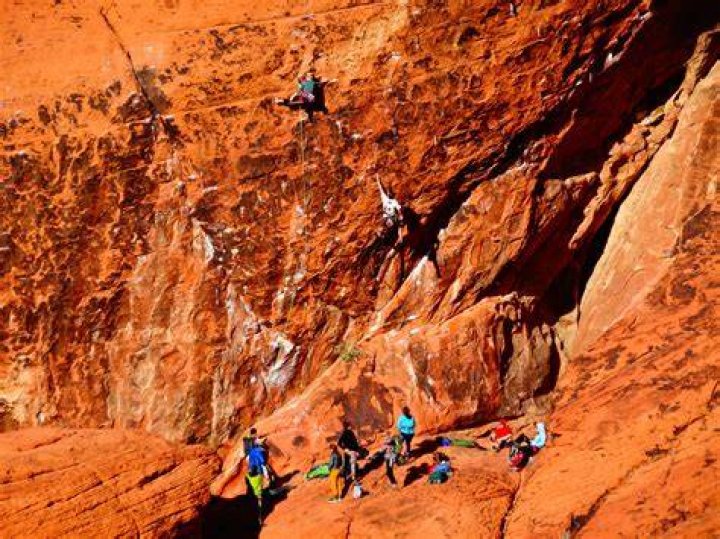
There’s a peculiar sound echoing through certain crags these days. It’s not just the clatter of carabiners or the scrape of climbing shoes on granite. It’s the unmistakable, guttural riff of an Angus Young guitar solo, blasting from a portable speaker wedged into a chalk bag. This is the world of AC/DCrag, a grassroots movement that’s less about a specific location and more about a state of mind. It’s where the raw energy of Australian hard rock meets the brute force and delicate balance of rock climbing.
For the uninitiated, the term might sound like a typo or a bizarre new genre of music. But for a growing tribe of climbers, AC/DCrag is a lifestyle. It’s the perfect marriage of two seemingly disparate activities: the precision and problem-solving of climbing, and the unapologetic, high-voltage energy of a band that has been delivering anthems for five decades. The concept is simple, yet its execution is surprisingly nuanced. It’s not just about playing “Back in Black” on repeat at the base of a route. It’s about syncing your physical effort with a specific sonic landscape.
The origins of AC/DCrag are murky, as most good subcultures are. There’s no single founder, no manifesto. It seems to have bubbled up from the collective unconscious of climbers who grew up on a diet of 1970s and 80s rock. Early mentions appear on obscure climbing forums around 2015, where users would post trip reports with titles like “Sent my project after a full album of Powerage.” The idea was simple: the driving, relentless beat of an AC/DC song—often around 120 to 140 beats per minute—provides a perfect metronome for a climber’s movement. It’s a pace that encourages explosive power on overhangs and steady, rhythmic breathing on slabs.
But let’s be clear: this isn’t a formal sport. There are no AC/DCrag competitions, no official grading system. It’s a vibe. A very loud, very sweaty vibe. The core philosophy revolves around the concept of “the riff.” In climbing, a “riff” might be a particularly challenging sequence of moves. In AC/DCrag, you find a route that matches the energy of a specific song. A steep, powerful boulder problem might be paired with “Thunderstruck,” while a long, endurance-testing multi-pitch route might demand the steady chug of “Highway to Hell.” The music isn’t background rushed; it’s a partner in the ascent.
The gear for AC/DCrag is largely standard climbing equipment, but with a few key additions. The most essential item is a high-quality, durable Bluetooth speaker. Waterproofing is a must, as is battery life that can outlast a full day at the crag. Some purists prefer bone-conduction headphones, allowing them to hear the music without blocking out the crucial sounds of the environment—the wind, the calls of a belayer, the subtle creak of a hold. Then there’s the chalk bag. Many AC/DCrag enthusiasts sport custom bags emblazoned with the band’s iconic lightning bolt logo or album art. It’s a badge of honor, a way to signal your allegiance to the tribe.
The culture is surprisingly inclusive. You don’t need to be a die-hard AC/DC fan to participate. The term has become a catch-all for any climbing session fueled by classic hard rock. You’ll hear Led Zeppelin, Guns N’ Roses, and even some early Metallica. The unifying factor is the energy. It’s a rejection of the quiet, meditative approach to climbing that some purists advocate. AC/DCrag is loud, it’s aggressive, and it’s unapologetically fun. It’s about embracing the primal, physical joy of moving over rock with a soundtrack that matches the intensity.
There’s a psychological component, too. Climbing is as much a mental game as a physical one. Fear, doubt, and fatigue are constant companions. A blast of “For Those About to Rock (We Salute You)” right before a crux move can be the difference between a send and a fall. The music acts as a form of external motivation, a sonic kick in the pants. It drowns out the negative self-talk and replaces it with a simple, powerful command: keep moving. This is particularly effective on “project” routes—those difficult climbs that require multiple attempts over several sessions. The familiar riffs become a Pavlovian trigger, signaling the brain that it’s time to perform.
Of course, not everyone is a fan. The climbing community is diverse, and many seek solitude and silence in nature. The sound of “Dirty Deeds Done Dirt Cheap” echoing across a quiet valley can be jarring. There are unspoken rules of etiquette. AC/DCrag is best practiced in areas where you’re unlikely to disturb others. Remote bouldering fields, less-trafficked sport climbing crags, or even indoor climbing gyms during off-peak hours are ideal. The key is respect. If you’re blasting music in a crowded area, you’re not a cool AC/DCrag climber; you’re just a nuisance.
The indoor climbing gym has become an unexpected hotbed for the movement. Many gyms now host themed nights, where the playlist is curated to feature classic rock. It’s a way to attract a different demographic, one that might not be drawn to the typical EDM or pop playlists. The bright lights and artificial holds of the gym provide a perfect, controlled environment for the AC/DCrag experience. You can dial in your beta, practice your footwork, and get pumped out to “Whole Lotta Rosie” without worrying about weather or rockfall.
From an SEO perspective, the term “acdcrag” is fascinating. It’s a low-competition, high-intent keyword. People searching for it are likely already part of the niche or are curious about the crossover. The search volume is small but passionate. This is the kind of long-tail keyword that content marketers dream of. It represents a specific, engaged audience that is actively looking for validation, community, and gear recommendations. Articles about AC/DCrag don’t just get clicks; they get comments, shares, and forum discussions.
The gear industry has taken notice. While there isn’t a dedicated AC/DCrag product line yet, several climbing brands have released limited-edition chalk bags and t-shirts with rock-and-roll themes. The crossover potential is obvious. Imagine a collaboration between a climbing shoe manufacturer and a classic rock band. A pair of high-top climbing shoes with a lightning bolt motif? It’s not hard to see the appeal. The aesthetic is timeless, and the market is there, waiting to be tapped.
But at its heart, AC/DCrag is about community. It’s about the shared experience of struggling on a hard move, hearing the opening riff of “Hells Bells,” and suddenly finding the strength to pull through. It’s about the high-fives and the laughter at the base of the climb. It’s about the stories. “Remember that time we tried to onsight that 5.12 while listening to the entire ‘Back in Black’ album?” These are the memories that bind climbers together, creating a subculture within a subculture.
The future of AC/DCrag looks bright. As climbing continues to grow in popularity, especially after its debut in the Tokyo 2020 Olympics, the sport is fragmenting into ever more specific niches. We have trad climbers, sport climbers, boulderers, free soloists, and now, AC/DCrag climbers. It’s a natural evolution. People want to personalize their experience, to find a tribe that shares their specific passions. For those who love the raw power of rock music and the raw challenge of rock climbing, AC/DCrag is the perfect fusion.
There are even whispers of a dedicated AC/DCrag festival. Imagine a weekend in a remote canyon, with multiple climbing areas, a stage for live bands, and camping under the stars. It’s a logistical nightmare, but the demand is there. The community is already organizing informal meetups, using social media to coordinate trips to crags known for their classic rock-friendly vibes. The movement is organic, driven by passion rather than profit. That’s what makes it so authentic.
For the climber who wants to try it, the advice is simple. Pick a route that matches your skill level. Load up a playlist of your favorite high-energy rock songs. Find a spot where you won’t bother anyone. Then, just climb. Let the music guide your movements. Don’t overthink it. The beauty of AC/DCrag is its simplicity. It’s a reminder that climbing, at its core, is a joyful, physical expression of being alive. And what better soundtrack for that than a band that has been celebrating the sheer joy of being alive for over fifty years?
The critics will always be there. They’ll say it’s a gimmick, a distraction from the purity of the sport. But the AC/DCrag community doesn’t care. They’re too busy sending their projects, chalk dust flying, with a grin on their faces and a riff in their ears. They’ve found a way to make a hard thing feel a little easier, a little more fun. And in a world that often takes itself too seriously, that’s a valuable thing. So, the next time you’re at the crag and you hear the distant thump of a bass drum, don’t roll your eyes. Just nod. You’ve stumbled upon the AC/DCrag tribe. They’re having the time of their lives.
Ultimately, AC/DCrag is a testament to the human desire to combine passions. It’s a niche, yes, but a vibrant one. It’s proof that even in a sport as old as climbing, there’s always room for a new way to experience the vertical world. Whether you’re a seasoned veteran or a complete beginner, the invitation is open. Grab your gear, crank up the volume, and find your own AC/DCrag. The rock is waiting, and so is the riff.